Creating a custom product begins long before it appears in a storefront. The choices made during product setup affect how the design looks, what the product costs, and how confidently it can be presented to customers.
A thoughtful setup process can help you avoid unnecessary revisions and launch a product that feels intentional from the beginning.
Start With the Product
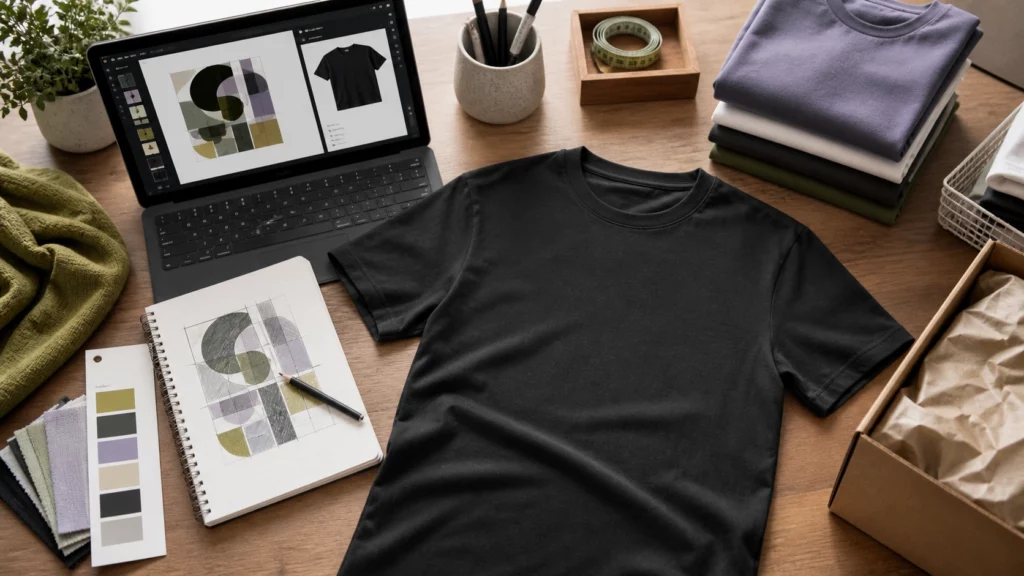
It can be tempting to begin with artwork, but the garment itself should be part of the creative decision.
Think About the Intended Customer
Consider who is likely to purchase the product and how they will use it. A lightweight shirt intended for an event serves a different purpose than a premium sweatshirt designed as a signature piece for a brand.
The audience, season, price range, and intended use can all help narrow down the right product.
Review the Available Options
Compare available styles, colors, sizes, production costs, and availability before committing to a garment.
The design should work with the colors you plan to offer. A graphic that looks strong on a black shirt may need adjustments before it works equally well on a light garment.
Starting with a manageable selection can also simplify the launch. You can always expand the available colors after learning what customers prefer.
Prepare the Design
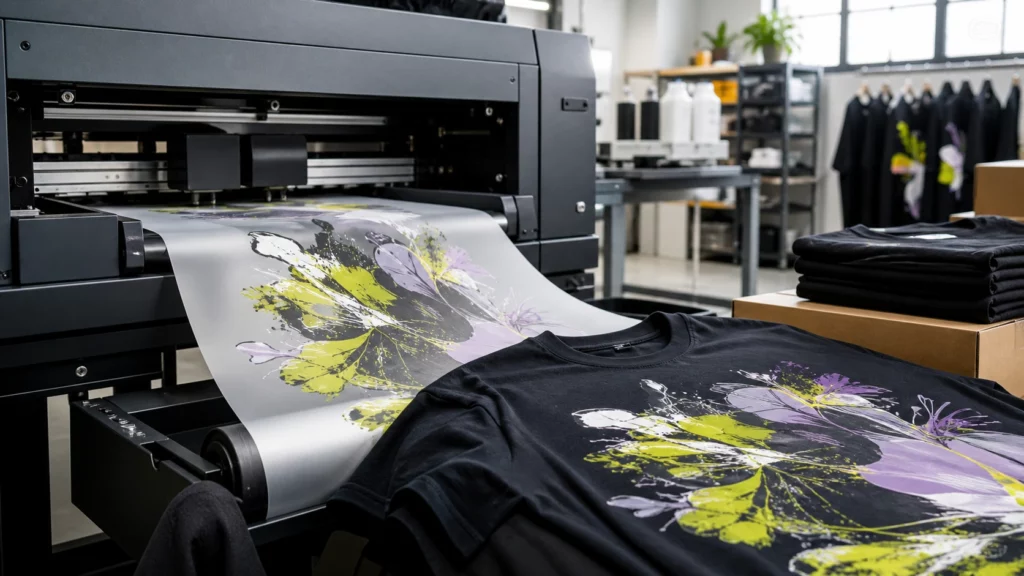
Once the product is selected, the next step is preparing artwork that will translate well from a screen to a physical garment.
Use the Best Artwork Available
Clear, properly sized artwork gives the production team more information to work with. Low-resolution graphics can lose detail when enlarged, particularly when a design contains small lettering or fine lines.
Review any available print-quality or resolution feedback before publishing. If the artwork appears unclear in the product preview, revisit the original file rather than assuming the final print will correct it.
Consider Placement and Scale
A design does not need to occupy the maximum available space to be effective. Placement should support the artwork and the way the garment will be worn.
Review the design at a realistic scale. Check whether text is readable, important details remain visible, and the composition feels balanced on the product.
If the garment supports multiple print locations, consider whether each location adds meaningful value. Additional decoration should strengthen the product rather than make it feel unnecessarily busy.
Complete the Product Details
A strong design still needs a clear presentation.
Write a Useful Product Description
Describe what the customer is purchasing in direct language. Include the type of garment, its intended fit or use, the available colors, and the idea behind the design when appropriate.
The goal is to help someone make a purchase decision. Avoid relying entirely on broad phrases that could describe almost any shirt.
Choose a Retail Price
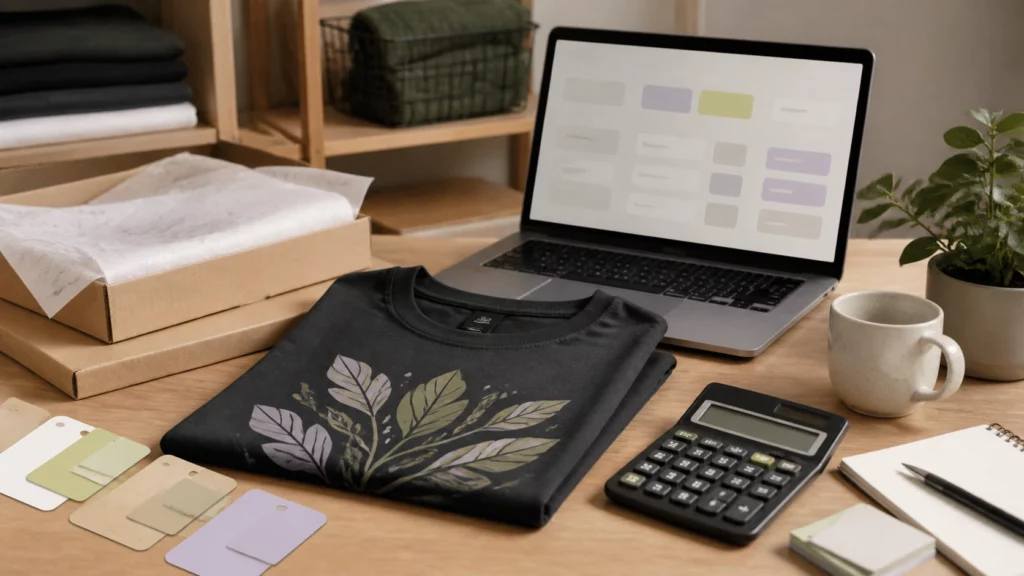
Review the production cost and decide what retail price makes sense for the product and your audience.
The difference between the retail price and production cost represents the starting point for your profit. Remember that other business expenses may still need to be considered, including marketing, storefront fees, taxes, or customer-service costs.
Review Before Publishing
Before making the product available, review the complete listing as though you were the customer.
Check the product title, description, selected colors, sizes, artwork placement, preview images, production cost, retail price, and projected profit. Small corrections are easier to make before orders begin arriving.
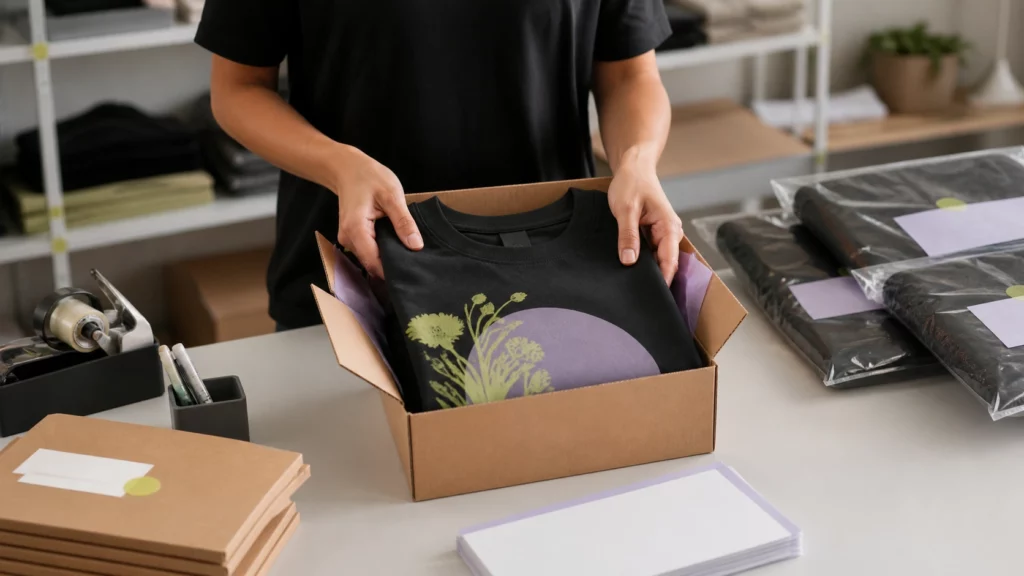
Once everything is ready, the product can be published to a connected Shopify store or made available through a Shirtdesk store.
A good first product does not need to include every possible option. It needs to be clear, well considered, and ready to represent your brand confidently.