For the customer, placing an order may take only a few moments. Behind that purchase is a sequence of steps that turns a digital product listing into a printed, packed, and shipped garment.
Shirtdesk connects storefront orders directly with an in-house fulfillment workflow so sellers do not need to purchase inventory or coordinate production themselves.
The Order Enters Production
When a customer purchases a product through a Shirtdesk store or a connected Shopify store, the order is routed into the production workflow.
Made After the Purchase
Shirtdesk products are made to order. The seller does not need to purchase a large quantity of garments in advance or predict exactly which sizes and colors customers will choose.
This approach reduces the need to store inventory and allows sellers to offer products without personally managing a warehouse.
Order Information Stays Connected
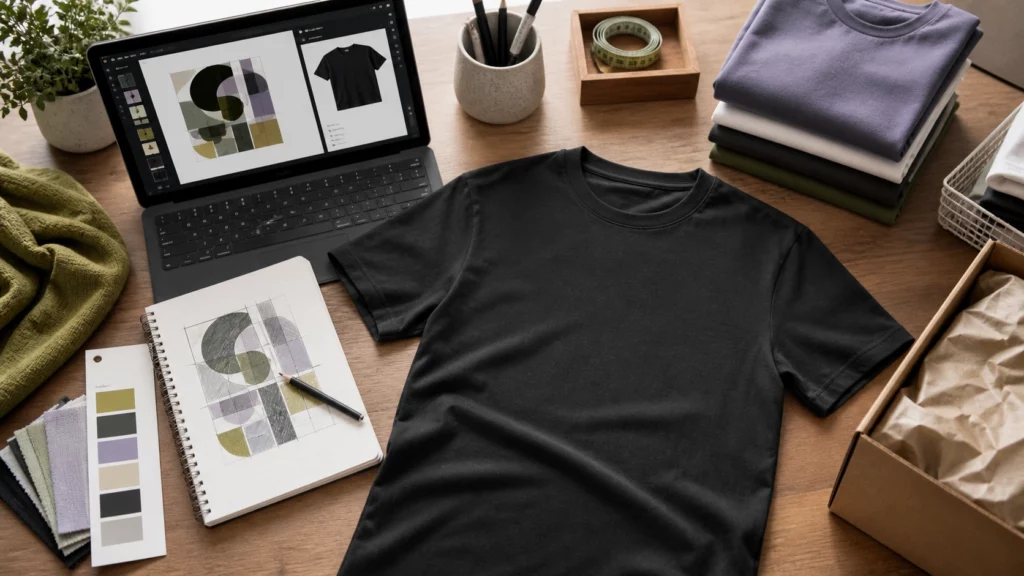
The product configuration determines what needs to be produced, including the selected garment, color, size, design, and supported print locations.
Keeping that information connected to the order helps the production team understand exactly what the customer purchased.
Printing and Quality Review
After the order is received, it moves through Shirtdesk’s in-house production process.
Produced by One Team
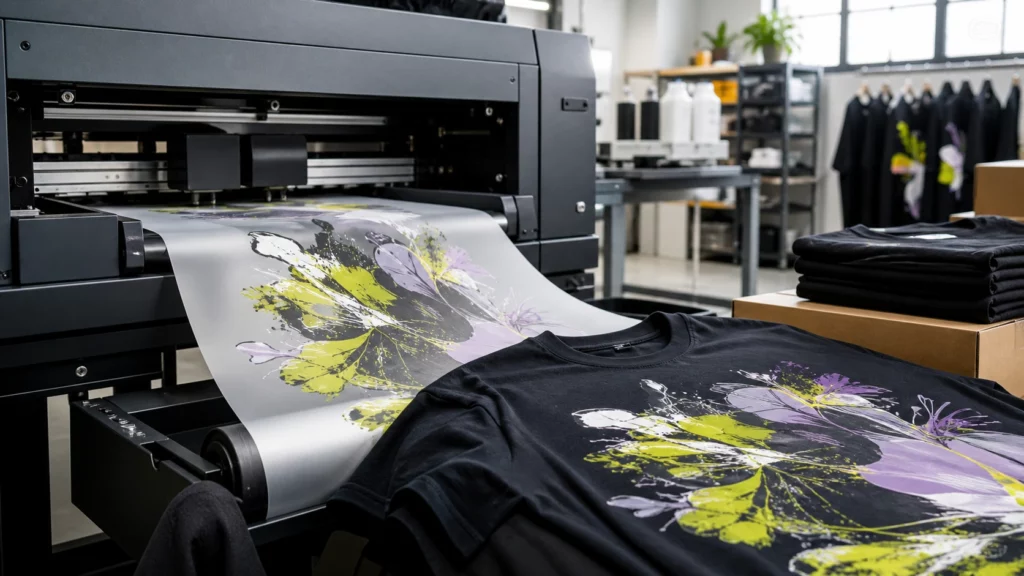
Orders are printed at Maryland Print House using Shirtdesk’s DTF production workflow.
Because production is handled internally, the team responsible for printing can work from consistent processes and quality expectations rather than handing the order to an unknown third-party provider.
Checked Before Packing
The finished garment must accurately reflect the order before it is prepared for shipment.
Inspection is an important bridge between production and fulfillment. It provides an opportunity to review the completed item before it leaves the facility and reaches the customer.
Packing and Shipping
Once the product has completed production and review, it is prepared for delivery.
Packed for the Journey
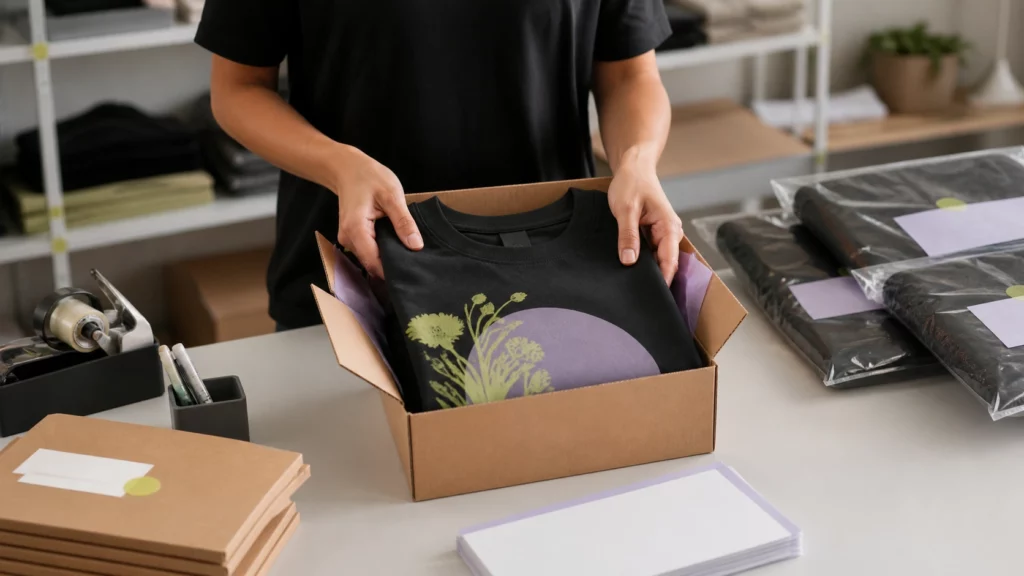
The order is folded and packed so it can move through the shipping process while remaining protected.
Fulfillment is part of the customer experience. The condition in which a product arrives influences how the customer perceives both the item and the seller’s brand.
Tracking Keeps the Customer Informed
After the order ships, tracking information is sent so the customer can follow its progress.
Fulfillment times can vary based on factors such as the product and current order volume. Tracking provides visibility once the package begins its journey.
What This Means for Sellers
A connected fulfillment workflow removes several operational responsibilities from the seller.
No Inventory to Store
Products are created after customers order them, so sellers do not need to store boxes of unsold sizes and colors.
This allows someone to focus on building a product line without making the same inventory commitment required by a traditional bulk order.
No Separate Production Vendor to Manage
Sellers do not need to send order details manually to a printer and then coordinate with another provider for packing and shipping.
Shirtdesk handles production and fulfillment as one connected process.
One Accountable Team
If a question arises, sellers know which team is responsible for producing the order.
That direct accountability is central to the Shirtdesk model. Instead of separating the platform from the production outcome, Shirtdesk keeps both connected from product creation through delivery.
From an Idea to a Delivered Product
The value of print on demand is not simply that a product can be listed without holding inventory. The complete experience depends on what happens after the sale.
Each step—receiving the order, printing the garment, reviewing the finished product, packing it, shipping it, and providing tracking—contributes to the customer’s final impression.
By handling those steps in-house, Shirtdesk gives sellers a more direct path from the product they create on screen to the package their customer receives.